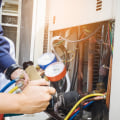
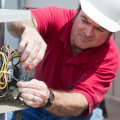
When it comes to ensuring comfort in your home, air conditioner installation plays a pivotal role. It is not merely about placing a unit in a window or connecting a few ducts; it involves a comprehensive understanding of your home's layout, the specific cooling needs of each room, and the technical specifications of the air conditioning system itself. Proper installation is crucial for maximizing efficiency, enhancing performance, and prolonging the lifespan of your unit. Without it, even the most advanced air conditioning systems can underperform, leading to discomfort and increased energy costs.Understanding what plays a pivotal role. It is not merely about placing a unit in a window or connecting a few ducts; it involves a comprehensive understanding of your home's layout, the specific cooling needs of each room, and the technical specifications of the air conditioning system itself. Proper installation is crucial for maximizing efficiency, enhancing performance, and prolonging the lifespan of your unit. Without it, even the most advanced air conditioning systems can underperform, leading to discomfort and increased energy costs.Understanding what air conditioner installation entails is essential for homeowners looking to invest in this vital home improvement.
The process typically includes selecting the right type of air conditioning system—be it central air, ductless mini-splits, or window units—based on your home’s size and layout. Additionally, it involves precise measurements and calculations to ensure that the system can adequately cool your space without overworking itself. This not only affects your comfort but also has significant implications for energy consumption and utility bills.The importance of professional installation cannot be overstated. A qualified HVAC technician brings expertise that ensures all components are correctly installed and calibrated.
This includes everything from refrigerant levels to electrical connections and ductwork integrity. Poor installation can lead to a host of problems, including inefficient cooling, higher energy bills, and even potential safety hazards. Therefore, investing in professional air conditioner installation is not just about getting the job done; it's about ensuring that your investment pays off in comfort and efficiency for years to come.
Types of Air Conditioners: Which One is Right for You?
When it comes to air conditioner installation, understanding the different types of air conditioning systems available is crucial for making an informed decision. Each type has its own set of advantages and disadvantages, and the right choice depends on your specific needs, budget, and home layout.1.Window Air Conditioners
Window air conditioners are compact units designed to fit into a window frame.They are ideal for cooling single rooms or small spaces. Here are some key points to consider:
- Cost-Effective: Generally, window units are less expensive than central air systems, making them a popular choice for budget-conscious consumers.
- Easy Installation: Most window units can be installed without professional help, although proper sealing is essential to prevent air leaks.
- Energy Efficiency: Many modern window units come with energy-saving features, which can help reduce electricity bills.
2.Split Air Conditioners
Split air conditioning systems consist of two main components: an indoor unit and an outdoor compressor. This type is suitable for cooling multiple rooms or larger spaces.- Quiet Operation: Since the compressor is located outside, split systems operate more quietly than window units.
- Flexible Installation: These systems can be installed in various configurations, allowing for greater flexibility in home design.
- Enhanced Comfort: Split systems often come with advanced features like multi-zone cooling, which allows you to control the temperature in different areas of your home.
3.Central Air Conditioning
If you’re looking to cool an entire home efficiently, a central air conditioning system may be the best option. Here’s what you need to know:- Whole-House Cooling: Central AC systems distribute cool air through ducts, ensuring even temperature control throughout your home.
- Higher Initial Cost: While the installation cost is higher compared to window or split systems, central AC can be more economical in the long run due to its efficiency.
- Improved Air Quality: Central systems often include filters that help remove dust and allergens from the air, contributing to better indoor air quality.
Whether you opt for a window unit for a small space, a split system for flexibility and quiet operation, or a central system for comprehensive cooling, understanding these options will help you make an informed decision during your air conditioner installation.
When is the Best Time to Buy an Air Conditioner?
When considering the best time to buy an air conditioner, many homeowners often fall prey to common misconceptions about seasonal purchasing trends. While some believe that buying during the off-season, such as winter, is the most economical choice, this is not necessarily the case for all types of air conditioning systems.In reality, the optimal time to purchase an air conditioner is typically in late spring or early summer. This period aligns with the peak demand for cooling solutions, as temperatures begin to rise and homeowners start to realize their current systems may not suffice. During this time, retailers and manufacturers often offer significant discounts on last year’s models to make room for new inventory.Understanding Seasonal Buying Trends
To make an informed decision, it’s essential to understand the seasonal buying trends:- Late Spring to Early Summer: This is when you’ll find the best deals on air conditioners.
Retailers are eager to sell off older models before the heat of summer hits, making it a prime time for buyers.
- Fall: As temperatures drop, demand for air conditioning units decreases. While you might find lower prices during this time, installation services may be harder to secure as HVAC professionals shift their focus to heating systems.
- Winter: Contrary to popular belief, winter is not the best time for purchasing air conditioners. HVAC contractors are typically busy with heating installations and repairs, which can lead to longer wait times and potentially higher costs if you need immediate service.
Keep an eye out for sales events around major holidays like Memorial Day or Labor Day, as these often coincide with significant markdowns on air conditioning units.In conclusion, while it may seem tempting to purchase an air conditioner during the off-season, doing so can lead to missed opportunities for savings and availability. By timing your purchase strategically in late spring or early summer, you can take advantage of competitive pricing and ensure that you have a reliable cooling system ready for the hot months ahead.
Factors to Consider Before Installation
When considering air conditioner installation, it’s essential to evaluate several critical factors that can significantly impact the efficiency and effectiveness of your cooling system. Understanding these elements will not only help you choose the right unit but also ensure that it operates optimally in your home.Home Size and Layout
The size of your home is one of the most crucial factors in determining the appropriate air conditioning system. An undersized unit will struggle to cool your space, leading to increased energy consumption and wear on the system, while an oversized unit may cool too quickly without adequately dehumidifying the air.To find the right size, consider:
- Square Footage: Measure the total area of your home to determine the required cooling capacity, typically measured in BTUs (British Thermal Units).
- Room Configuration: Open floor plans may require different considerations than segmented spaces, as airflow can be affected by walls and furniture.
Insulation Quality
The quality of your home’s insulation plays a significant role in how effectively an air conditioning system can maintain a comfortable temperature. Poor insulation can lead to significant energy loss, making it difficult for your AC unit to keep up with demand. Evaluate:- Attic Insulation: Ensure that your attic is properly insulated to prevent heat from escaping or entering.
- Window Quality: Double-pane windows can help reduce heat transfer, while older single-pane windows may need treatments like window films or shades.
Energy Efficiency Considerations
When selecting an air conditioning system, energy efficiency should be a top priority. Look for units with high SEER (Seasonal Energy Efficiency Ratio) ratings, as these indicate better energy performance.Additionally, consider:
- Energy Star Certification: Units that meet Energy Star standards are designed to use less energy without sacrificing performance.
- Smart Technology: Some modern systems come equipped with smart thermostats that allow for more precise temperature control and scheduling, further enhancing energy savings.
The Installation Process: What to Expect
When it comes to air conditioner installation, understanding the process can help you make informed decisions, whether you choose to go the DIY route or hire a professional. Here’s a detailed look at what to expect during the installation process.Step-by-Step Installation Process
The installation of an air conditioning unit typically involves several key steps:- Assessment of Space: Before installation, it’s crucial to assess the area where the unit will be placed. This includes measuring the space and ensuring that there is adequate ventilation and clearance for airflow.
- Choosing the Right Unit: Selecting an appropriate air conditioning unit based on your home’s size and cooling needs is essential. Factors such as energy efficiency ratings (SEER) and type of system (central, ductless, or window unit) should be considered.
- Preparing the Installation Site: For central air systems, this may involve installing ductwork or ensuring that existing ducts are clean and functional.
For window units, it may require creating a secure mounting area.
- Electrical Connections: Proper electrical connections are vital for safety and efficiency. This step often requires a licensed electrician to ensure compliance with local codes.
- Mounting the Unit: The air conditioning unit must be securely mounted according to manufacturer specifications. This includes leveling the unit and ensuring it is properly sealed to prevent leaks.
- Testing the System: Once installed, the system should be tested for functionality. This includes checking for proper airflow, temperature control, and any unusual noises.
Professional vs DIY Installation
Deciding between professional installation and a DIY approach can significantly impact your experience and the performance of your air conditioning system.Here are some pros and cons of each method:
- Professional Installation:
- Pros: Expertise in handling complex installations, adherence to safety standards, warranty protection, and often quicker installation times.
- Cons: Higher upfront costs compared to DIY methods.
- DIY Installation:
- Pros: Cost savings on labor, flexibility in scheduling, and a sense of accomplishment.
- Cons: Risk of improper installation leading to inefficiency or damage, potential safety hazards, and voiding warranties if not done correctly.
Choosing the Right HVAC Contractor
When it comes to air conditioner installation, selecting the right HVAC contractor is crucial for ensuring that your system operates efficiently and safely. A qualified contractor can make a significant difference in the performance of your air conditioning unit, as well as your overall satisfaction with the installation process.Here are some essential tips to help you choose the right HVAC professional for your needs.
1.Verify Credentials and Experience
- Check for licenses: Ensure that the contractor holds the necessary licenses required by your state or local government.
- Look for certifications: Certifications from organizations like NATE (North American Technician Excellence) indicate a higher level of expertise.
- Experience matters: Ask how long the contractor has been in business and their experience with the specific type of air conditioning system you are considering.
2.Read Reviews and Get Referrals
- Online reviews: Websites like Yelp, Google, and Angie's List can provide insights into customer experiences.
- Ask for referrals: Speak with friends, family, or neighbors who have recently had HVAC work done to get recommendations.
3.Request Detailed Estimates
When you narrow down your options, request written estimates from at least three contractors. These estimates should include:
- The cost of the unit and installation
- A breakdown of labor costs
- Any additional fees or potential costs for upgrades
4.Ask Important Questions
Before making a final decision, consider asking potential contractors the following questions:
- What brands do you recommend and why?
- Can you provide references from previous clients?
- What is your warranty policy on both parts and labor?
- How do you handle unexpected issues during installation?
- What maintenance services do you offer after installation?
5.Evaluate Communication and Professionalism
Your contractor should be responsive and willing to answer all your questions. Good communication is key to a successful installation process. Pay attention to how they treat you during initial consultations; this can be indicative of their professionalism throughout the project.By taking these steps, you can ensure that you hire a qualified HVAC contractor who will provide quality service and a successful air conditioner installation.
Remember, investing time in choosing the right professional can save you money and headaches in the long run.
Cost Considerations: Budgeting for Your Air Conditioner Installation
When planning for air conditioner installation, understanding the associated costs is crucial for effective budgeting. The price of an air conditioning unit can vary significantly based on several factors, including the type of system, its efficiency rating, and the complexity of the installation process.1.Initial Purchase Costs
- Type of Unit: Window units are generally less expensive, ranging from $150 to $800, while central air conditioning systems can cost between $3,000 and $7,000 or more, depending on the size and brand.
- Energy Efficiency: Higher efficiency models may have a higher upfront cost but can lead to significant savings on energy bills over time. Look for units with a high SEER (Seasonal Energy Efficiency Ratio) rating.
2.Installation Costs
The installation of an air conditioning system is often where homeowners encounter unexpected expenses. Professional installation typically ranges from $500 to $2,500, depending on the complexity of the job.
Factors influencing installation costs include:
- Home Size: Larger homes may require more extensive ductwork or multiple units, increasing labor and material costs.
- Existing Infrastructure: If your home lacks existing ductwork or requires electrical upgrades, these additional modifications can add to your overall expenses.
3.Hidden Costs
Many homeowners overlook potential hidden costs that can arise during the installation process:
- Permits and Inspections: Depending on local regulations, you may need permits for installation, which can add to your budget.
- Maintenance Plans: Consider investing in a maintenance plan to ensure your system operates efficiently over its lifespan. This could be an additional monthly or annual expense.
- Repairs: Be prepared for potential repairs that may arise shortly after installation, especially if the unit is not installed correctly.
4.Budgeting Tips
To effectively budget for your air conditioner installation:
- Get Multiple Quotes: Always obtain estimates from several HVAC contractors to compare prices and services.
- Plan for Additional Expenses: Set aside an extra 10-20% of your budget for unforeseen costs that may arise during installation.
- Consider Financing Options: Many HVAC companies offer financing plans that can help spread out the cost over time.
Maintenance Tips for Your Air Conditioning System
Maintaining your air conditioning system is crucial for ensuring its efficiency and longevity. Regular maintenance not only helps in keeping your unit running smoothly but also prevents costly repairs down the line. Here are some essential air conditioner maintenance tips to help you prolong the life of your AC unit:- Change or Clean Filters Regularly: One of the simplest yet most effective maintenance tasks is to check and replace or clean your air filters every 1-3 months.
Clogged filters restrict airflow, making your system work harder and reducing its efficiency.
- Keep the Outdoor Unit Clean: Ensure that the outdoor condenser unit is free from debris such as leaves, dirt, and grass clippings. A clean unit allows for better airflow and heat exchange, which is vital for efficient operation.
- Inspect Ductwork: Leaky ducts can lead to significant energy loss. Regularly inspect your ductwork for any signs of wear or damage, and seal any leaks to improve efficiency.
- Schedule Professional Maintenance: While DIY maintenance is important, having a professional HVAC technician perform a thorough inspection at least once a year can catch potential issues before they become major problems. They can check refrigerant levels, inspect electrical components, and ensure everything is functioning correctly.
- Check Thermostat Settings: Ensure that your thermostat is functioning properly and set to an appropriate temperature.
Consider upgrading to a programmable thermostat for better energy management.
- Clear Drain Lines: Clogged drain lines can cause water damage and affect the efficiency of your AC unit. Regularly check and clear any blockages in the condensate drain line.
- Monitor System Performance: Pay attention to how your air conditioner operates. If you notice unusual noises, reduced cooling efficiency, or increased energy bills, it may be time to consult a professional.
Common Myths About Air Conditioner Installation Debunked
When it comes to air conditioner installation, several myths and misconceptions can cloud the decision-making process for homeowners.Understanding the truth behind these myths is crucial for making informed choices that ensure comfort and efficiency in your home.
Myth 1: All Air Conditioners Are the Same
Many people believe that all air conditioning units function similarly, but this is far from the truth. Different types of air conditioners, such as window units, split systems, and central air systems, have varying efficiencies, installation requirements, and costs. It's essential to assess your home's specific needs and choose a system that best fits your space and budget.
Myth 2: DIY Installation Saves Money
While it may seem tempting to save on installation costs by attempting a DIY approach, this can lead to more significant expenses down the line. Improper installation can result in inefficiencies, increased energy bills, and even damage to the unit itself.
Hiring a qualified HVAC professional ensures that the installation is done correctly, maximizing performance and longevity.
Myth 3: Bigger Units Are Better
Another common misconception is that larger air conditioning units provide better cooling. In reality, an oversized unit can lead to short cycling, where the system turns on and off frequently. This not only reduces efficiency but can also cause wear and tear on the unit. It's crucial to select a unit that is appropriately sized for your home based on factors like square footage and insulation.
Myth 4: Installation Costs Are Fixed
Many homeowners assume that installation costs are set in stone; however, various factors can influence pricing.
The complexity of the installation, the type of unit being installed, and any necessary modifications to existing ductwork can all affect the final cost. It's advisable to obtain multiple quotes from reputable contractors to ensure you receive a fair price.
Myth 5: Air Conditioners Only Need Maintenance When They Break
Some believe that maintenance is only necessary when an air conditioner shows signs of failure. In reality, regular maintenance is vital for keeping your system running efficiently and prolonging its lifespan. Scheduling annual check-ups with an HVAC professional can help identify potential issues before they escalate into costly repairs.By debunking these common myths about air conditioner installation, homeowners can make more informed decisions that lead to better comfort and energy efficiency in their homes.
Always consult with professionals who can provide tailored advice based on your specific situation.
Conclusion: Making Informed Decisions About Air Conditioner Installation
In summary, the journey of purchasing and installing an air conditioner is one that requires careful consideration and informed decision-making. As we have explored throughout this article, timing plays a crucial role in both the cost and efficiency of your air conditioning system. Understanding the best time to buy—ideally just before summer—can lead to significant savings and better options for your home.Moreover, it is essential to recognize that not all air conditioning systems are created equal. Each home has unique requirements based on size, layout, and climate.Therefore, taking the time to assess your specific needs will ensure that you select the most suitable unit. Whether you opt for a window unit, a split system, or a central air conditioning system, knowing the pros and cons of each type can help you make a more informed choice.Additionally, consider the long-term implications of your purchase. Investing in a high-efficiency model may come with a higher upfront cost but can lead to substantial savings on energy bills over time. Furthermore, exploring available discounts and tax credits for energy-efficient systems can enhance your overall savings.Equally important is the selection of a qualified HVAC contractor for installation.
The expertise of the professional you hire can significantly impact the performance and longevity of your air conditioning system. A poorly installed unit can lead to inefficiencies, increased energy costs, and even safety hazards. Therefore, it is advisable to conduct thorough research and choose a reputable contractor with proven experience in air conditioner installation.In conclusion, making informed decisions about air conditioner installation involves understanding the right timing for purchase, selecting the appropriate system for your home, considering long-term savings through efficiency, and hiring qualified professionals for installation. By following these guidelines, you can ensure that your investment in an air conditioning system will provide comfort and efficiency for years to come.