In today's world, the comfort of our homes is largely dependent on the efficiency and functionality of our HVAC systems. HVAC, which stands for Heating, Ventilation, and Air Conditioning, encompasses a range of technologies designed to regulate indoor climate. These systems play a crucial role in maintaining optimal temperatures, ensuring good air quality, and enhancing overall comfort. Understanding how these systems work and their significance can help homeowners make informed decisions about when to upgrade or replace them.At the core of any effective HVAC system is its ability to provide consistent heating and cooling throughout the year. . HVAC, which stands for Heating, Ventilation, and Air Conditioning, encompasses a range of technologies designed to regulate indoor climate. These systems play a crucial role in maintaining optimal temperatures, ensuring good air quality, and enhancing overall comfort. Understanding how these systems work and their significance can help homeowners make informed decisions about when to upgrade or replace them.At the core of any effective HVAC system is its ability to provide consistent heating and cooling throughout the year.
During sweltering summer months, an efficient air conditioning unit not only cools the air but also filters out pollutants and allergens, contributing to a healthier living environment. Conversely, during the colder months, a reliable heating system ensures that your home remains warm and inviting. This dual functionality is essential for creating a comfortable atmosphere that supports both physical well-being and mental relaxation.Moreover, the importance of HVAC systems extends beyond mere comfort; they are also pivotal in promoting energy efficiency. Modern HVAC units are designed with advanced technology that optimizes energy consumption, which can lead to significant savings on utility bills.
By investing in an energy-efficient system, homeowners can reduce their carbon footprint while enjoying a comfortable living space. However, as with any technology, HVAC systems have a lifespan and may require upgrades to maintain their efficiency and effectiveness.Recognizing the signs that your HVAC system may need an upgrade is vital for ensuring uninterrupted comfort in your home. Factors such as rising energy costs, inconsistent temperatures, or frequent repairs can indicate that it’s time to consider a replacement. By understanding the role of HVAC systems and their impact on both comfort and energy efficiency, homeowners can better appreciate the importance of timely upgrades and make proactive decisions that enhance their living environment.
Signs That Indicate It's Time to Upgrade Your HVAC System
As a homeowner, recognizing the signs that indicate it's time to upgrade your HVAC system is crucial for maintaining comfort and efficiency in your living space.Ignoring these signs can lead to increased energy costs, frequent repairs, and ultimately, a system failure that could leave you without heating or cooling when you need it most.Here are some key indicators that it may be time to consider an air conditioner installation:
- Rising Energy Bills: One of the most noticeable signs that your HVAC system is struggling is a significant increase in your energy bills. If you notice that your monthly costs are climbing without any changes in usage patterns, it could be a sign that your system is working harder than it should be. An inefficient unit consumes more energy to maintain the desired temperature, leading to higher bills.
- Frequent Repairs: If you find yourself calling for repairs multiple times a year, it may be more cost-effective to invest in a new system. Frequent breakdowns not only disrupt your comfort but can also add up quickly in repair costs.
A reliable HVAC system should require minimal maintenance and repairs.
- Inconsistent Temperatures: Are some rooms in your home significantly warmer or cooler than others? Inconsistent temperatures can indicate that your HVAC system is failing to distribute air evenly throughout your home. This inconsistency can lead to discomfort and may signal that your system is no longer capable of meeting your heating and cooling needs.
- Age of the System: The age of your HVAC system plays a significant role in its efficiency and reliability. Most systems have a lifespan of 10 to 15 years. If your unit is approaching or has surpassed this age, it may be time to consider an upgrade, even if it seems to be functioning adequately.
- Unusual Noises: Strange sounds such as banging, clanking, or hissing can indicate mechanical issues within your HVAC system.
While some noises may be minor, persistent or loud sounds often suggest that components are failing and could lead to more significant problems if not addressed promptly.
- Excessive Dust and Allergens: If you notice an increase in dust accumulation or allergens in your home, it could mean that your HVAC system is not filtering air effectively. A new system with modern filtration technology can improve indoor air quality significantly.
The Cost of Waiting: Risks of Delaying Your HVAC Upgrade
Delaying the replacement of your HVAC system can lead to a multitude of risks, both financially and in terms of comfort.While it may seem tempting to postpone an upgrade, especially if your current system is still operational, the long-term implications can be significant.
Financial Risks of Delaying HVAC Replacement
- Increased Energy Costs: Older HVAC systems tend to be less energy-efficient, leading to higher utility bills. As these systems age, they often require more energy to maintain the same level of comfort, which can quickly add up over time.
- Frequent Repairs: An aging system is more prone to breakdowns and malfunctions. Each repair not only incurs costs but also adds up over time, making it more economical to invest in a new system rather than continually patching up an old one.
- Potential for Major Failures: The longer you wait to replace an outdated HVAC system, the greater the risk of a complete failure. This could leave you without heating or cooling when you need it most, forcing you into a costly emergency replacement.
Comfort-Related Risks
- Inconsistent Temperatures: Older systems often struggle to maintain consistent temperatures throughout your home.
This can lead to discomfort during extreme weather conditions, whether it’s sweltering heat in summer or frigid cold in winter.
- Poor Air Quality: Aging HVAC systems may not effectively filter out dust, allergens, and other pollutants. This can lead to deteriorating indoor air quality, which can affect your health and overall well-being.
Long-Term Savings with Timely Upgrades
Investing in a new HVAC system not only mitigates these risks but also offers substantial long-term savings. Modern systems are designed with advanced technology that enhances energy efficiency and reduces operational costs. By upgrading at the right time, you can enjoy lower monthly bills and fewer repair expenses.In conclusion, while the initial cost of an HVAC upgrade may seem daunting, the financial and comfort-related risks associated with delaying this decision can far outweigh that expense.
Prioritizing a timely replacement can lead to significant savings and improved quality of life in your home.
Optimal Seasons for Air Conditioner Installation
When considering air conditioner installation, timing can significantly impact both the cost and efficiency of the process. The optimal seasons for installing a new HVAC system are early spring and early fall. These periods not only offer favorable weather conditions but also present several advantages that can enhance your overall experience.1.Cost Savings
One of the most compelling reasons to schedule your air conditioner installation during the off-peak seasons is the potential for cost savings. During peak summer months, demand for HVAC services skyrockets, leading to inflated prices.
By opting for installation in early spring or early fall, homeowners can often take advantage of lower rates and promotional offers from HVAC companies eager to fill their schedules during quieter times.
2.Availability of Technicians
Another significant benefit of scheduling your installation during these optimal seasons is the increased availability of skilled technicians. In peak seasons, HVAC professionals are often overwhelmed with service calls and installations, which can lead to longer wait times for appointments. By choosing to upgrade your system in the off-season, you can ensure that you receive prompt service and have your new air conditioning system installed without unnecessary delays.
3.Ideal Weather Conditions
The weather during early spring and early fall is typically mild, making it easier for technicians to work efficiently without the extreme heat or cold that can complicate installations. This not only enhances the comfort of your home during the installation process but also allows for a more thorough setup, ensuring that your new system operates at peak performance from day one.
4.Time for Proper Assessment
Scheduling your air conditioner installation in the off-peak season also provides ample time for a comprehensive assessment of your home’s cooling needs.
HVAC professionals can conduct detailed evaluations without the pressure of urgent service calls, allowing them to recommend systems that best fit your specific requirements. This careful consideration can lead to better energy efficiency and long-term savings on utility bills.
5.Avoiding Last-Minute Rush
Finally, by planning ahead and scheduling your air conditioner installation during these optimal times, you can avoid the last-minute rush that often occurs when systems fail unexpectedly in extreme weather conditions. Proactive planning ensures that you are not left scrambling for a technician when temperatures soar or plummet.In conclusion, early spring and early fall are undoubtedly the best times for air conditioner installation. By taking advantage of lower costs, better technician availability, ideal weather conditions, thorough assessments, and avoiding last-minute emergencies, homeowners can ensure a smooth transition to a more efficient HVAC system.
How to Choose the Right HVAC System for Your Home
Choosing the right HVAC system for your home is a critical decision that can significantly impact your comfort, energy bills, and overall satisfaction.With numerous options available, it’s essential to consider several key factors to ensure you make an informed choice.
1.Assess Your Home's Size and Layout
The first step in selecting an HVAC system is to evaluate the size of your home. An undersized system will struggle to maintain comfortable temperatures, while an oversized unit can lead to inefficient operation and increased energy costs. To determine the appropriate size, consider:- Square Footage: Measure the total area of your home to find out how much cooling or heating capacity you need.
- Insulation Quality: Well-insulated homes retain temperature better, potentially allowing for a smaller system.
- Room Layout: Open floor plans may require different considerations than homes with many small rooms.
2.Energy Efficiency Ratings
Energy efficiency is a crucial factor when selecting an HVAC system. Look for units with high Seasonal Energy Efficiency Ratio (SEER) ratings for air conditioners and Annual Fuel Utilization Efficiency (AFUE) ratings for furnaces.Higher ratings indicate better efficiency, which can lead to significant savings on your energy bills over time. Additionally, consider:
- Energy Star Certification: Systems that meet Energy Star standards are designed to save energy without sacrificing performance.
- Variable Speed Technology: This feature allows the system to adjust its output based on the current demand, enhancing efficiency and comfort.
3.Budget Considerations
Your budget will play a significant role in your decision-making process. While it may be tempting to opt for the cheapest option available, consider the long-term costs associated with maintenance and energy consumption. Investing in a higher-quality, more efficient system can lead to lower operational costs over its lifespan.When budgeting, keep in mind:
- Initial Costs: Factor in the purchase price of the unit as well as installation fees.
- Long-Term Savings: Calculate potential savings from reduced energy bills and maintenance costs.
Finding a Reputable HVAC Contractor
When it comes to air conditioner installation, finding a reputable HVAC contractor is crucial to ensure that your new system is installed correctly and efficiently. A trustworthy contractor not only guarantees quality workmanship but also provides peace of mind throughout the installation process. Here are some essential tips to help you find a reliable HVAC service company.1.Check Credentials and Certifications
Before hiring an HVAC contractor, verify their credentials.Look for licenses and certifications that demonstrate their expertise and adherence to industry standards. In the United States, most states require HVAC contractors to be licensed, which typically involves passing exams and meeting specific educational requirements. Additionally, certifications from organizations like the North American Technician Excellence (NATE) or the Air Conditioning Contractors of America (ACCA) can indicate a higher level of professionalism and knowledge.
2.Read Customer Reviews
Customer reviews can provide valuable insights into the quality of service offered by an HVAC contractor. Websites like Yelp, Google Reviews, and Angie's List are excellent resources for gauging customer satisfaction.Pay attention to both positive and negative reviews, as they can highlight strengths and weaknesses in the contractor's service. Look for patterns in feedback regarding punctuality, professionalism, and post-installation support.
3.Ask for Recommendations
Word-of-mouth referrals can be one of the most reliable ways to find a reputable HVAC installer. Ask friends, family, or neighbors about their experiences with local contractors. Personal recommendations often come with firsthand accounts of service quality, pricing, and overall satisfaction.4.Get Multiple Quotes
Once you have a shortlist of potential contractors, request quotes from each one.This not only helps you compare prices but also gives you an opportunity to assess their communication skills and professionalism. A reputable contractor will provide a detailed estimate that outlines the scope of work, materials needed, and any warranties offered.
5.Evaluate Experience and Specialization
Consider the experience level of the contractors you are evaluating. An established company with years of experience is likely to have encountered various installation scenarios and can handle unexpected challenges effectively. Additionally, if you have specific needs—such as energy-efficient systems or smart home integration—look for contractors who specialize in those areas.6.Verify Insurance Coverage
Ensure that any HVAC contractor you consider has adequate insurance coverage.This includes liability insurance and workers' compensation. Insurance protects you from potential liabilities in case of accidents or damages during the installation process.By following these steps, you can confidently choose a reputable HVAC contractor for your air conditioner installation. Taking the time to research and vet potential installers will pay off in the long run, ensuring that your new system operates efficiently and effectively for years to come.
Preparing for Your New Air Conditioner Installation
Preparing for your new air conditioner installation is crucial to ensure a smooth and efficient process. By taking the right steps ahead of time, you can minimize disruptions and make the experience as seamless as possible.Here are some essential preparations to consider:
- Clear the Installation Area: Before the installation team arrives, make sure to clear the area around your existing HVAC unit. This includes removing any furniture, plants, or debris that may obstruct access. A clean workspace allows technicians to work efficiently and safely.
- Secure Pets: On installation day, it’s wise to keep pets in a separate room or outside. The presence of unfamiliar faces and open doors can be stressful for animals and may pose a risk of them escaping.
- Plan for Noise: Be prepared for some noise during the installation process.
The work may involve drilling, cutting, and other loud activities. If you have young children or sensitive individuals in your home, consider planning activities away from the installation area.
- Review Your Installation Agreement: Familiarize yourself with the details of your installation agreement. This includes understanding what equipment will be installed, any warranties provided, and the timeline for completion. Having this information at hand can help address any questions that arise during the process.
What to Expect During Air Conditioner Installation
The day of your air conditioner installation will typically follow a structured process.
Here’s what you can expect:
- Arrival of Technicians: The installation team will arrive at the scheduled time, equipped with all necessary tools and materials.
- Assessment: They will first assess your current system and discuss any specific requirements or concerns you may have.
- Installation Process: The actual installation may take several hours, depending on the complexity of the job. This includes removing the old unit (if applicable), installing the new system, and ensuring all connections are secure.
- Testing: Once installed, technicians will test the new air conditioning system to ensure it operates correctly and efficiently.
- Final Walkthrough: After testing, they will conduct a final walkthrough with you to explain how to operate your new system and answer any questions.
Installation Day Checklist
To further streamline your experience, consider using this checklist on installation day:
- Ensure all areas are accessible for technicians.
- Have a designated space for technicians to park their vehicles.
- Keep your phone handy in case the team needs to contact you.
- Prepare any necessary documentation related to your HVAC system.
Post-Installation: Maintenance Tips for Longevity
Once you have successfully installed your new air conditioning system, the next crucial step is to ensure its longevity and optimal performance through proper maintenance. Regular upkeep not only enhances efficiency but also extends the lifespan of your HVAC system. Here are some essential maintenance tips to consider:- Regular Filter Changes: One of the simplest yet most effective ways to maintain your air conditioner is by changing the air filters regularly.
Clogged filters can restrict airflow, making your system work harder and less efficiently. Aim to check and replace filters every 1-3 months, depending on usage and filter type.
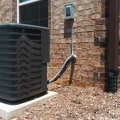
- Keep the Outdoor Unit Clean: The outdoor condenser unit should be free from debris such as leaves, dirt, and grass clippings. Regularly inspect the area around the unit and clear away any obstructions to ensure proper airflow. A clean unit operates more efficiently and reduces the risk of overheating.
- Schedule Annual Professional Maintenance: While DIY maintenance is important, nothing beats a professional tune-up.
Schedule an annual inspection with a qualified HVAC technician who can perform a thorough check-up, clean internal components, and identify potential issues before they become major problems.
- Monitor Thermostat Settings: Ensure that your thermostat is functioning correctly and set to appropriate temperatures. Consider upgrading to a programmable thermostat that can optimize energy use based on your schedule, further enhancing efficiency.
- Inspect Ductwork: Leaky ducts can lead to significant energy loss and reduced efficiency. Periodically inspect your ductwork for any signs of wear or damage, and seal any leaks to maintain optimal airflow throughout your home.
- Check for Unusual Noises: Pay attention to any strange sounds coming from your HVAC system. Unusual noises can indicate underlying issues that may require immediate attention.
Addressing these concerns early can prevent costly repairs down the line.
Frequently Asked Questions About HVAC Upgrades
Upgrading your HVAC system can be a significant decision for any homeowner, and it’s natural to have questions about the process. Below are some of the most frequently asked questions regarding HVAC upgrades and air conditioning installations, along with detailed answers to help you make informed choices.1.When is the best time to upgrade my HVAC system?
The optimal times for upgrading your HVAC system are typically in early spring or early fall.These seasons allow you to avoid the peak demand periods of summer and winter, which can lead to higher prices and longer wait times for installation. By planning your upgrade during these off-peak months, you can ensure a smoother installation process.
2.How do I know if my HVAC system needs to be replaced?
There are several signs that indicate it may be time to replace your HVAC system:- Age: If your system is over 15 years old, it may be less efficient and more prone to breakdowns.
- Frequent Repairs: If you find yourself calling for repairs multiple times a year, it may be more cost-effective to invest in a new system.
- Increased Energy Bills: A sudden spike in your energy bills can indicate that your system is working harder than it should be.
- Inconsistent Temperatures: If certain rooms in your home are consistently too hot or too cold, it may signal that your HVAC system is failing.
3.What should I consider when choosing a new air conditioning unit?
When selecting a new air conditioning unit, consider the following factors:- Energy Efficiency: Look for units with high SEER (Seasonal Energy Efficiency Ratio) ratings to save on energy costs.
- Size: Ensure the unit is appropriately sized for your home; an oversized or undersized unit can lead to inefficiency.
- Brand Reputation: Research brands known for reliability and customer satisfaction.
- Features: Consider additional features such as smart thermostats, variable speed fans, and air purification systems.
4.How long does an air conditioner installation take?
The installation of a new air conditioning unit typically takes between 4 to 8 hours, depending on the complexity of the installation and any additional modifications needed. Scheduling your installation during off-peak times can also help ensure that you receive prompt service.5.Will I need to make any changes to my ductwork?
This depends on the size and type of the new unit compared to your existing system. In some cases, modifications may be necessary to ensure optimal airflow and efficiency.A professional HVAC technician can assess your current ductwork and recommend any needed adjustments during the installation process.If you have more questions or need personalized advice regarding your HVAC upgrade, don’t hesitate to reach out to a qualified HVAC professional who can provide tailored guidance based on your specific situation.
Conclusion: Making an Informed Decision About Your HVAC System Upgrade
In summary, upgrading your HVAC system is a significant decision that can greatly impact your home’s comfort, energy efficiency, and overall utility costs. As we have discussed, the timing of this upgrade is crucial. By choosing to replace your system during the off-peak seasons , such as early spring or early fall, you can not only save money but also ensure a smoother installation process.Here are some key takeaways to consider:- Cost Savings: Upgrading during off-peak times helps you avoid inflated prices that often accompany peak demand periods.
- Installation Efficiency: HVAC companies are less busy during these times, allowing for quicker installation and more personalized service.
- Preventative Measures: Replacing your system before the extreme weather hits can prevent unexpected breakdowns and costly repairs.
- Energy Efficiency: Newer systems are designed to be more energy-efficient, which can lead to significant savings on your monthly utility bills.
- Expert Guidance: Working with a reputable HVAC service provider ensures you receive expert advice tailored to your specific needs and preferences.
Reach out to local HVAC professionals who can guide you through the selection process and help you find a system that meets both your budget and comfort requirements.Ultimately, making an informed decision about your HVAC upgrade will not only enhance your living environment but also contribute to long-term savings and peace of mind. So take action today—your future self will thank you!.